Buying in Ras Al Khaimah: What to Verify and How
Ras Al Khaimah is one of the more interesting places to own property in the UAE right now. Full freehold is open to any nationality inside the designated zones, the RAK Land Department registers the transaction and issues your title deed directly, and the cost of holding is genuinely low — a single 4% transfer fee at registration, no annual property tax, no tax on rental income, no capital gains tax, no stamp duty.
Most investors who ask me about it have already bought in Dubai. The ownership structure will feel familiar. What differs is how you gather evidence, and that is worth understanding before you start rather than halfway through.
Where you can buy
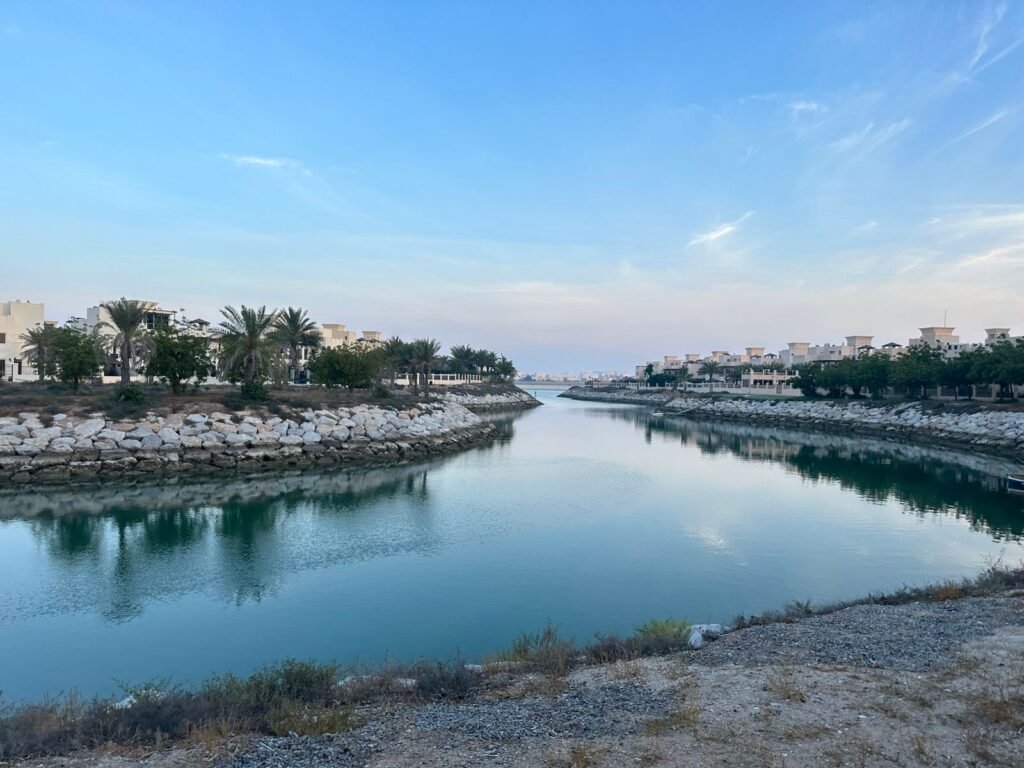
Freehold for foreign buyers sits inside designated zones. The principal ones are Al Marjan Island, the emirate’s waterfront and resort address; Al Hamra Village, an established community with golf and a marina; Mina Al Arab, a low-rise coastal masterplan; and Al Mairid, closer to the city.
Zone status attaches to a specific plot, so treat any list — including this one — as orientation rather than authority. The only answer that counts is the one the Land Department gives you for the unit you are buying.
Where the evidence comes from
Dubai has spent two decades building public reference tools, and buyers there lean on them heavily. Ras Al Khaimah is a younger and smaller market, so more of the same information comes to you directly — from the Land Department, the developer, and the community management — rather than from a portal you open yourself.
That is a difference in route, not in availability. The information exists. You request it instead of downloading it, and you should expect a straight answer from anyone serious.
It also means the emirate’s tooling is worth rechecking each time you transact. The UAE moves quickly on this and RAK has been investing in its property infrastructure — so confirm what is available at the time you buy rather than assuming last year’s position still holds.
The seven things to verify
- Zone status, in writing. Confirm with the RAK Land Department that your specific plot or unit sits inside a designated freehold zone. A document question, not a conversation.
- Title and encumbrances, from the registry. The deed is issued by the Land Department, so confirm the position with them rather than relying on paperwork handed to you.
- The service charge, with three years of history. Request it from the developer or community management. The current figure alone tells you little; the trend tells you how the building is run. A reluctance to provide history is itself informative.
- What that charge covers. Resort-led communities carry real amenity loads. Establish what is included and what gets billed separately.
- Achieved prices, from more than one source. Ask the agent, ask a second agent, ask the community management what has actually transacted. Two independent answers that agree are worth more than one confident assertion.
- Achieved rents, the same way. Underwrite on what the unit lets for today, in current conditions — not on a projection.
- The contract, with independent legal advice. Worth doing anywhere. Worth doing here.
Every one of those is obtainable before you commit. None of it requires anything unusual — it requires asking, and knowing what a good answer looks like.
On the growth story
Al Marjan Island has drawn substantial development interest, and the emirate’s leisure positioning is real.
I will not put a number on what that does to values. I have read plenty of sales material projecting specific percentage uplifts off announced projects, and nobody can forecast that honestly. What I will say is that Ras Al Khaimah suits a long hold. The resale market is still deepening, so if your case depends on selling quickly you are carrying a liquidity risk that headline yields will not show you. Buying to hold, the structure is sound and the cost of holding is low.
The short version
Real freehold, registered directly with the Land Department, with almost no recurring cost of ownership. That is a genuinely good starting point.
Do the seven checks above, get the answers in writing, and you are buying on evidence. That is the same standard I would apply anywhere — it is simply more hands-on here, and being hands-on is not a drawback if you know what to ask for.
General market commentary, not financial or legal advice. Verify zone designation, fees and registration requirements with the RAK Land Department and your own legal counsel before transacting.